Operating multiple mobile tool routes means managing constant expenses such as fuel, truck maintenance, inventory, and labor. For high-volume dealers, payment processing can become another significant drain on operating margins.
During the audited period, this dealer processed $1,589,453.60 across two active routes and 11,719 transactions. Traditional processing rates of approximately 2.8%–3.2% can represent tens of thousands of dollars in annual processing costs at this volume.
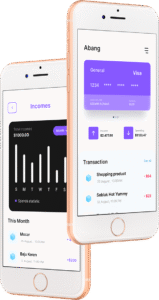
To eliminate the processing-cost burden, the dealer transitioned both routes to ToolTruckPay using the iPOS Go mobile app.
Transactions could be processed directly from mobile devices, with optional handheld terminals available when preferred. Customers could also choose alternative payment methods such as ACH, cash, or check.
Introducing dual pricing required some customer communication. The case study reports that there was initial feedback from technicians and shop managers, but explaining the actual cost of credit card processing and offering alternatives such as ACH or cash helped reduce friction.
There was also a small adjustment to the daily reconciliation process. According to the case study, drivers adapted to the new process within a couple of days.
Based on the dealer’s audited sales volume, the potential impact of traditional processing costs was calculated using three benchmark rates.

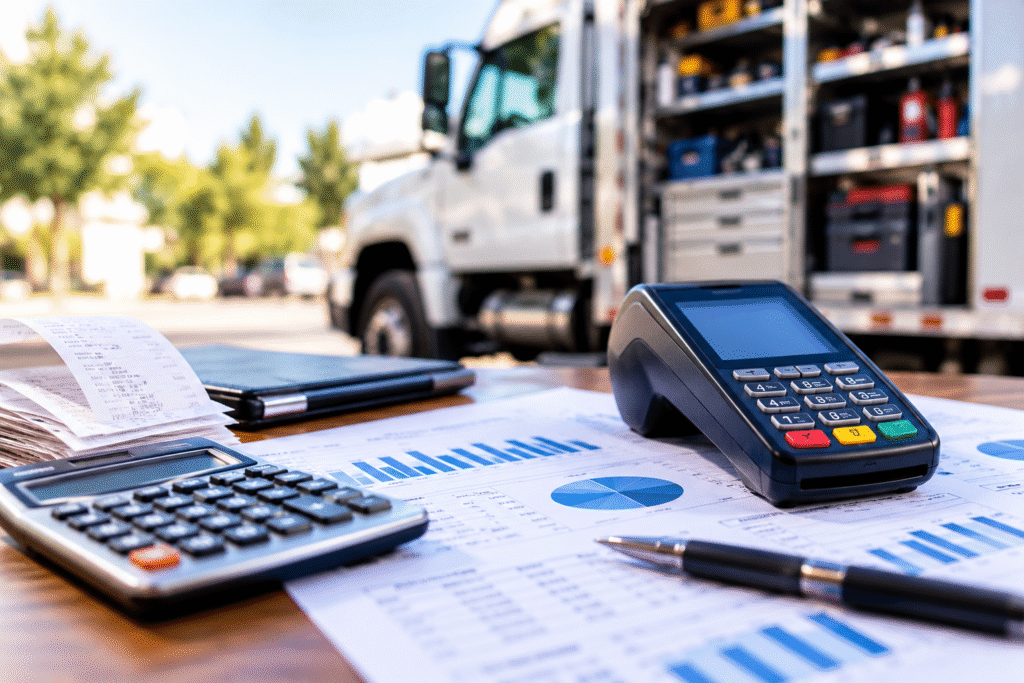
For a high-volume mobile tool operation, payment processing can become a significant operating expense.
This case study demonstrates how changing the payment-processing structure can help redirect money toward inventory, truck operations, growth, or other business needs.
The transition required some customer communication and operational adjustment, but the case study reports that drivers adapted to the new process within a couple of days.

The dealer processed $1,589,453.60 across 11,719 transactions during the 11.5-month audited period.
At the 3.0% benchmark, the calculated savings were $47,683.61.
The case study covers two active mobile tool routes.
The dealer transitioned to ToolTruckPay using the iPOS Go mobile app.
Yes. The case study reports some initial customer feedback and a minor daily reconciliation adjustment, with drivers adapting within a couple of days.
If you’re running a high-volume tool truck route, find out how much payment processing could be costing your business.
Tool Truck Pay was created with one goal: to stop tool truck businesses from losing profits to processing fees.